
The Best AI Tools for Academic Writing, Research, and Study Efficiency (2025)
A rigorous review of the top 5 AI tools that improve academic writing, research interpretation, and study efficiency. Ideal for students, educators, and researchers seeking reliable solutions in 2025.
AI TOOLS DIRECTORY
Clark
12/7/20257 min read

Why Academic Work Feels Harder Than Ever
When I wrote my research paper, “Artificial Intelligence in Human Resource Management: A Systematic Literature Review, Meta-Analysis, and Thematic Synthesis,” I had to analyze 29 peer-reviewed studies. It was incredibly difficult—many nights spent deciphering dense academic language, trying to extract key themes, verifying data, analysis using R, and rewriting sections repeatedly just to improve clarity. I eventually submitted the paper to IJHRM journal, where it’s now under review, but the process reminded me just how overwhelming academic reading and writing can be.
Whether you’re a student, a working professional, or a researcher, academic expectations in 2025 have grown heavier than ever before. You’re expected to read faster, write better, think deeper, and understand complex materials in a fraction of the time previous generations had. If writing is the first big challenge, research is the second—and often the heavier one. For students—especially in Asia—the pressure is even stronger. Academic English feels difficult, research papers are incredibly long, professors expect deep understanding, and time is limited. Even a simple reading assignment can take hours because the language and concepts feel unfamiliar or overly technical.
Professionals and researchers face a similar issue. You may have the experience and knowledge, but how many students do you have? Not enough time to manually scan through reports, papers, and documentation. Everyone is busy. Everyone is overloaded. Everyone needs clarity, speed, and accuracy.
This is where modern AI tools truly shine.
They don’t replace your thinking—they remove the unnecessary friction that slows you down, so you can focus on the actual intellectual work rather than the mechanical tasks that drain time and energy.
Why 2025 Marks the Turning Point for AI in Education and Research
The academic world has evolved, but our traditional learning and research methods have not. Reading hundreds of pages manually, summarizing them line by line, writing structured essays from scratch, and organizing notes across multiple sources simply doesn’t match the speed at which modern education and work operate.
AI isn’t a shortcut—it’s an academic accelerator.
It handles the repetitive, time-consuming tasks that consume hours but contribute little to actual learning: extracting key points from long PDFs, clarifying confusing academic language, checking logic, rewriting unclear paragraphs, summarizing arguments, identifying citations, and answering ongoing questions about your study materials.
In 2025, using AI for academic success is no longer optional. It has become as essential as calculators were to mathematics or as search engines were to early internet research.
Those who adopt AI correctly gain clarity, speed, and confidence.
Those who don’t… simply fall behind.
With that in mind, here are the Top 5 AI tools that meaningfully improve academic writing, research understanding, and long-term learning—all based on real testing, real limitations, and real benefits.
If you want to explore more tools beyond the top five, you can browse our full AI tools directory or
✏️#1 — ChatGPT 5.1: The Most Powerful Tool for Academic Writing
(Best overall, unmatched depth and structure)
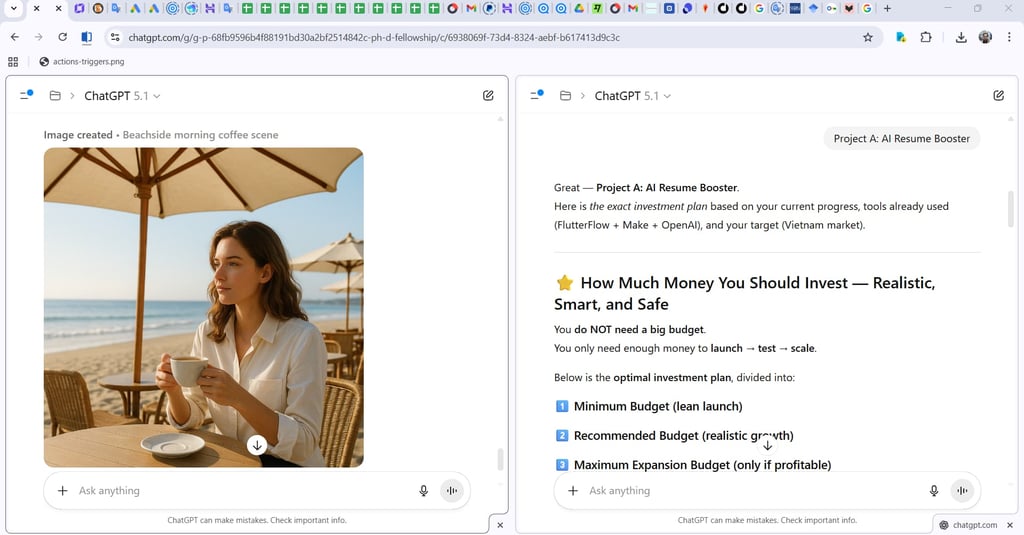
ChatGPT 5.1 is currently the strongest academic writing and reasoning model available to the public. Most people know it as a general AI assistant, but its true strength shines in academic tasks: developing arguments, structuring papers, explaining theories, rewriting drafts, and elevating writing quality to a graduate-level standard.
If you struggle with starting an essay, building a coherent argument, or writing with academic tone and clarity, ChatGPT does the heavy cognitive lifting. It helps you form the logic first, then refine language, create transitions, and structure your paragraphs.
Where ChatGPT becomes invaluable is in its ability to explain why something is correct or not. If your paragraph is unclear, ChatGPT can diagnose the problem, offer alternatives, and guide you toward stronger reasoning. It's like having a private tutor who is always available.
Still, it has limitations:
Citations must be verified manually because AI-generated references can sometimes be inaccurate. It also requires good prompting skills to get the highest-quality output, and weaker internet connections can slow response time. As the author of this article—and the researcher behind the paper mentioned above—I can confirm how painful these limitations truly are. But the good news is that AI tools are evolving rapidly to make it easier.
✏️#2 — SciSpace.com: The Best Tool for Understanding Academic PDFs
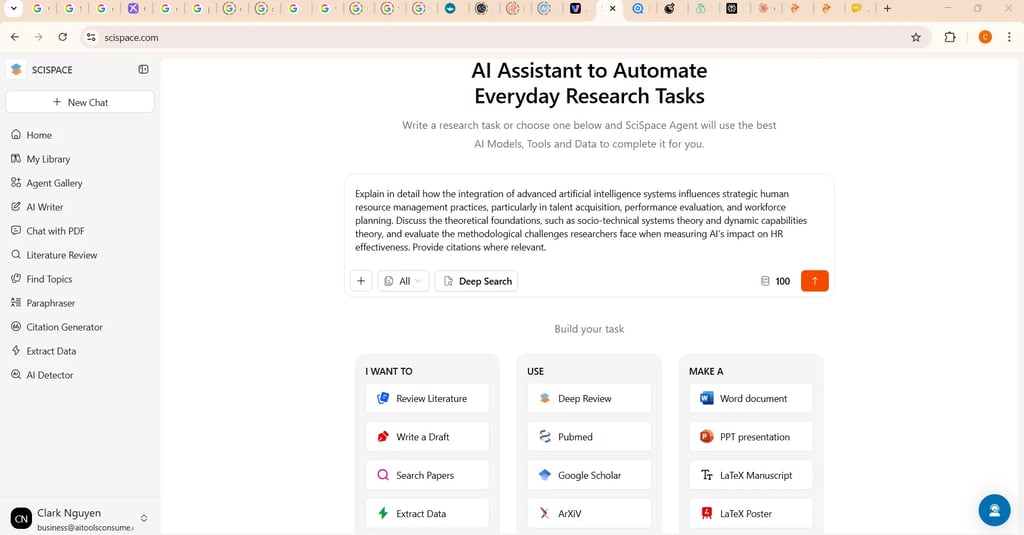
SciSpace has become one of the most important AI tools for students and researchers who struggle with dense academic papers. Its strength lies in how quickly it can break down complicated concepts into clear, simple explanations without losing accuracy.
Upload any PDF—whether it’s a scientific study, research article, or theoretical paper—and SciSpace will highlight the key points, explain difficult paragraphs, extract citations, simplify terminology, and answer questions directly from the document. This makes it ideal for students who want to understand academic readings but don’t have the time to analyze every line manually.
Where SciSpace excels is in its ability to keep explanations at your level. If you're new to a topic, it simplifies. If you're advanced, it provides depth. This flexibility makes it useful for both undergraduate students and professional researchers.
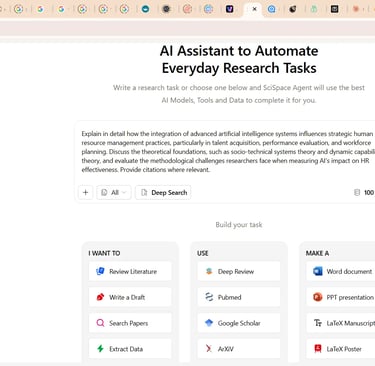
Its limitations?
Sometimes, highly technical or mathematical content may require cross-checking. SciSpace is excellent for language and logic processing but may struggle with complex equations or niche scientific terminology. The interface may also feel heavy for beginners.
Still, for understanding academic PDFs quickly and clearly, SciSpace is unmatched.
Offical website: https://scispace.com/
✏️#3 — ScholarAI.io: Fast Summaries, Key Insights, and Academic Clarity
ScholarAI is designed to help you absorb information quickly. It thrives when dealing with long documents, research reports, or PDFs that need clean extraction of arguments, themes, and evidence.
Unlike many summarization tools that simply shorten text, ScholarAI restructures information so it's easier to understand. It identifies key themes, presents arguments in logical order, and highlights supporting evidence. This makes it especially helpful for literature reviews, reflection papers, exam preparation, and report writing.
One of its best uses is for early-stage research. You can upload several papers and quickly understand what each one is about before deciding which ones to read in full.
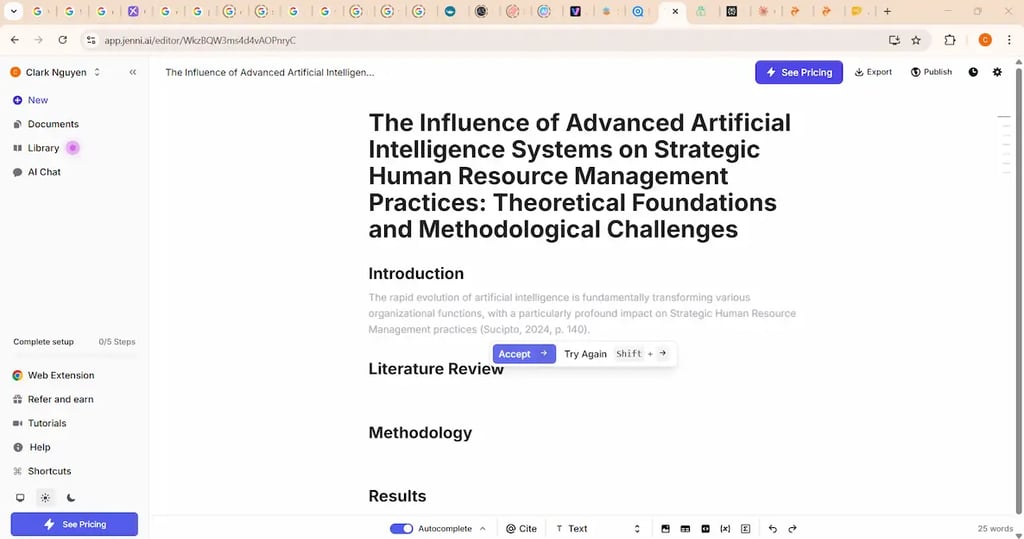
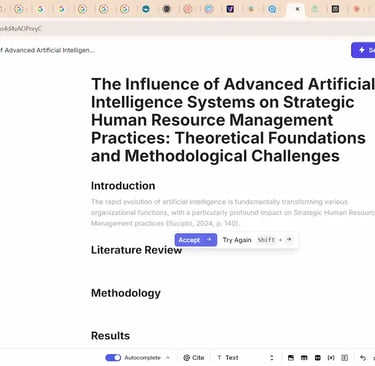
Its weaknesses are similar to other AI summarizers—technical content or data-heavy material may need manual verification, and citations need to be double-checked. But for daily academic work, ScholarAI saves enormous time and mental energy.
Official website: https://scholarai.io/
🚀#4 — DocsBot.ai: Build Your Own Study Chatbot for Long-Term Understanding
DocsBot.ai introduces a new way of learning: turning your study materials into your own personal chatbot.
Upload lecture slides, PDF readings, notes, reports, or even entire textbooks. DocsBot will train a private knowledge base and allow you to ask unlimited questions anytime. This is incredibly useful for students who want to confirm details, decode complicated sections, or test their understanding before exams.
More importantly, DocsBot helps with citation verification.
If you're writing a paper and want to ensure your information is correct, you can ask DocsBot to locate the relevant part of your uploaded material. This prevents accidental misquoting or misunderstanding of academic content.
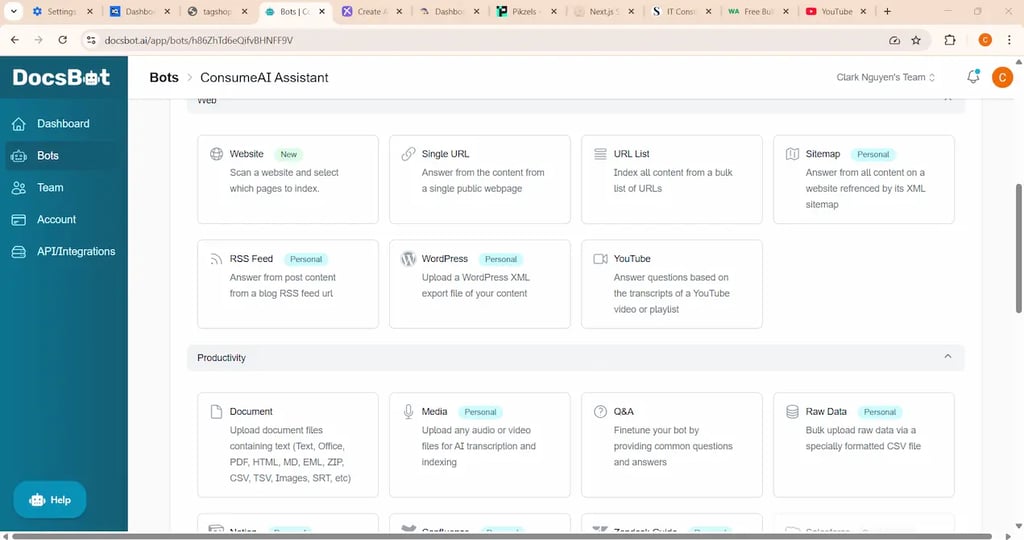
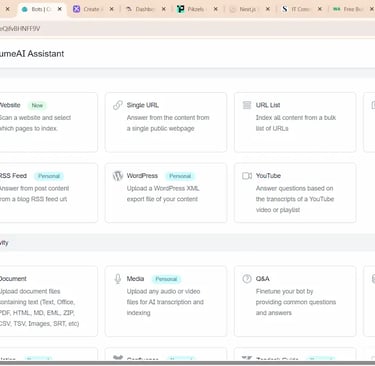
DocsBot is powerful, but one biggest limitation is that DocsBot's most advanced capabilities-like building larger study bots and handling multiple long PDFs- are only available in the Pro plan. The free version works well for trial use, but serious students may eventually need to upgrade.
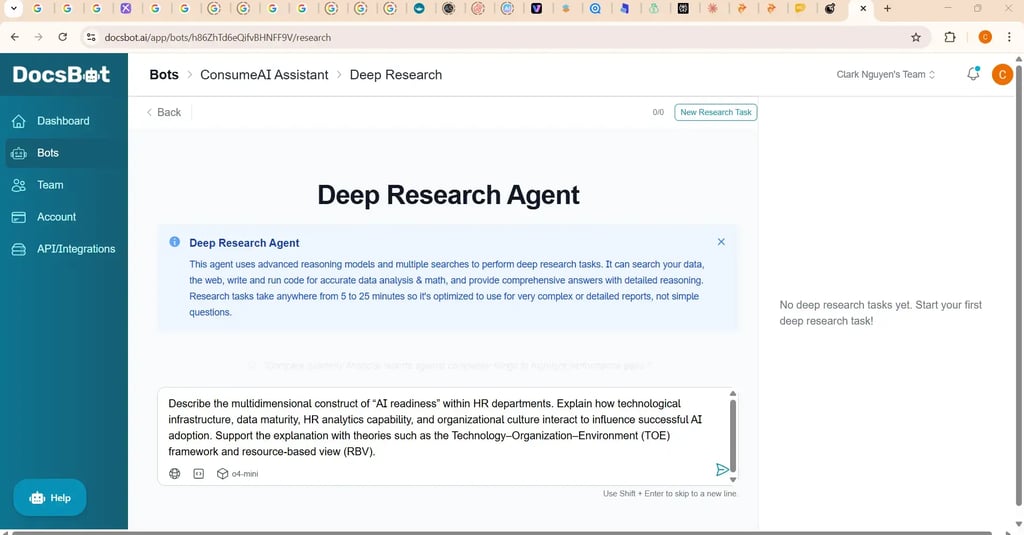
Offical website: https://docsbot.ai/
🚀#5 — AskYourPDF: Simple, Fast, and Effective Document Q&A
AskYourPDF is a lighter, faster alternative to DocsBot. While it doesn’t have full knowledge-base training, it excels at instant Q&A with uploaded documents. If you just want a quick answer from a PDF, AskYourPDF does it in seconds.
This makes it perfect for daily study tasks: checking definitions, summarizing sections, interpreting diagrams, or reviewing readings before class. It’s easy to use and doesn’t overwhelm you with features, making it a ideal companion tool for students who want clarity without complexity.
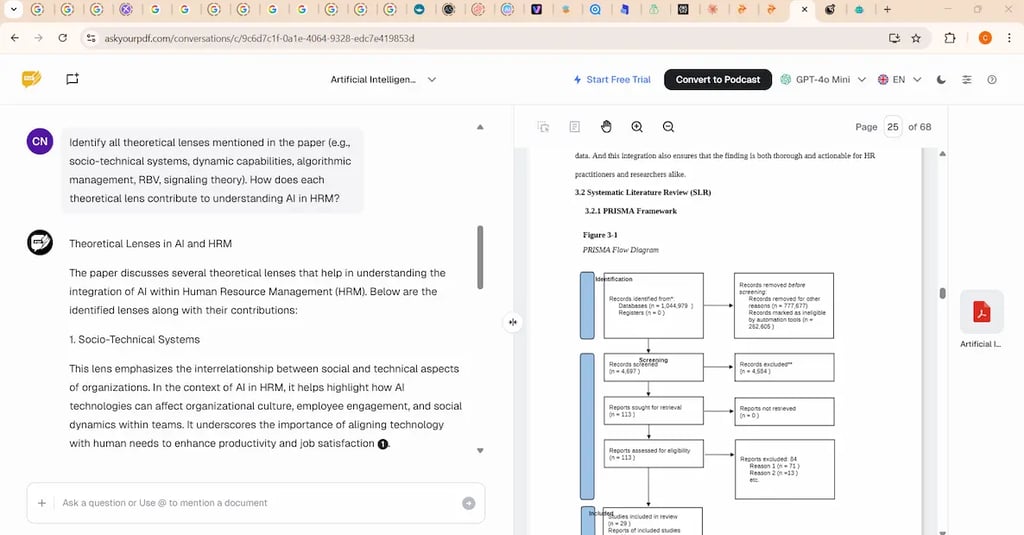
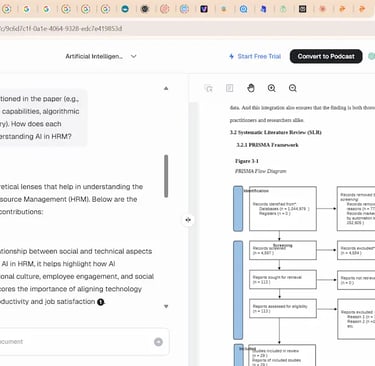
The downside is that it lacks deeper analysis features like thematic extraction or advanced reasoning. But for quick academic help, it performs extremely well.
Offical website: https://askyourpdf.com/
Conclusion: Academic Success in 2025 Means Working Smarter, Not Harder
The modern academic world demands more than just effort—it demands strategy.
These five AI tools aren’t shortcuts; they’re accelerators for deep understanding, clear writing, and smarter learning. Whether you're preparing for exams, writing research papers, managing heavy reading loads, or trying to stay competitive in your field, the right tools change everything.
Here is the final summary:
🥇 #1 — ChatGPT 5.1
Best for academic writing, reasoning, explanations, and structuring arguments.
🥈 #2 — SciSpace.com
Best for understanding academic PDFs quickly and clearly.
🥉 #3 — ScholarAI.io
Best for fast summaries and extracting key insights.
🏅 #4 — DocsBot.ai
Best for building personal study chatbots and long-term learning.
🏅 #5 — AskYourPDF.com
Best for quick Q&A and fast clarification of any PDF.
This is what academic success in 2025 truly looks like.
Affiliate Disclosure:
This article contains affiliate links. If you choose to purchase through these links, we may earn a commission at no additional cost to you. This helps support our website and allows us to continue creating helpful content.
AiToolsConsume Ltd © 2024
contact us business@aitoolsconsume.com
"Aitoolsconsume empower individuals and businesses with accessible AI tools for a brighter, more innovative future"